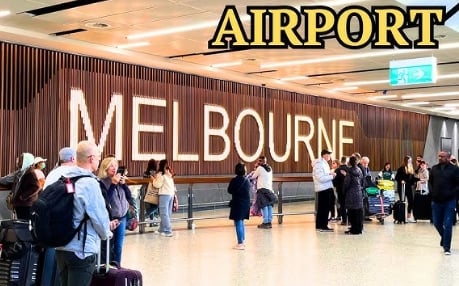
What are the pros and cons of different transport options from Melbourne Airport to the CBD?
Part of the My Guide Network Since 2006 180+ destinations
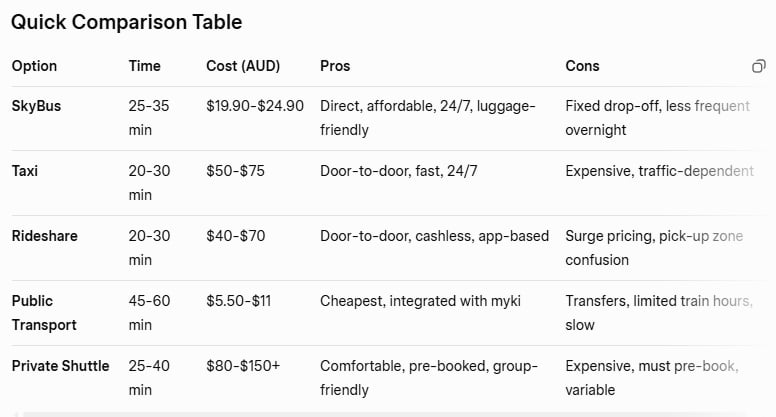
Below is a detailed comparison of the pros and cons of the main transport options from Melbourne Airport (Tullamarine) to the city center (CBD), tailored for tourists, business travelers, or locals as of October 2025.
The options include SkyBus, taxis, rideshares (Uber, Ola, DiDi), public transport (Route 901 bus + train), and private shuttles/hotel transfers.
Each is evaluated based on convenience, cost, speed, reliability, and suitability for different traveler needs.
1. SkyBus (Express Shuttle)
Pros:
Cons:
Best For: Tourists, budget travelers, or anyone seeking a reliable, hassle-free option without navigating public transport.
2. Taxis
Pros:
Cons:
Best For: Travelers prioritizing speed and direct drop-off, especially with heavy luggage, groups, or late-night arrivals.
3. Rideshares (Uber, Ola, DiDi)
Pros:
Cons:
Best For: Tech-savvy travelers, those seeking potential savings over taxis, or groups splitting fares.
4. Public Transport (Route 901 Bus + Train)
Pros:
Cons:
Best For: Budget-conscious locals or experienced travelers comfortable with public transport navigation.
5. Private Shuttles/Hotel Transfers
Pros:
Cons:
Best For: Groups, luxury travelers, or those with pre-arranged hotel packages.
Recommendations by Traveler Type
Tips
For the latest schedules or fares, check the SkyBus website, PTV journey planner, or rideshare apps. If you have specific needs (e.g., accessibility, group size, or hotel location), let me know for tailored advice!

The options include SkyBus, taxis, rideshares (Uber, Ola, DiDi), public transport (Route 901 bus + train), and private shuttles/hotel transfers.
Each is evaluated based on convenience, cost, speed, reliability, and suitability for different traveler needs.
1. SkyBus (Express Shuttle)
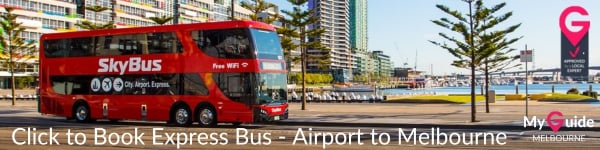
- Description: Non-stop bus service from Melbourne Airport (all terminals) to Southern Cross Station in the CBD. Takes 25-35 minutes.
- Cost: AUD $19.90-$24.90 one-way; return tickets ~$20.60 each way (discounts online or via app).
Pros:
Convenience: Direct, no transfers; easy-to-find stops at all terminals with clear signage.
Availability: 24/7 service, every 10-30 minutes (less frequent overnight, ~20-30 minutes after 11 PM).
Tourist-Friendly: Ample luggage space, free Wi-Fi, and drops off at a major CBD hub with free tram connections.
Reliability: Dedicated service avoids most traffic delays; consistent schedules.
Affordable: Cheaper than taxis/rideshares for solo travelers or couples; no surge pricing.
Ease of Purchase: Tickets via app, online, or airport kiosks; no myki card needed.
Availability: 24/7 service, every 10-30 minutes (less frequent overnight, ~20-30 minutes after 11 PM).
Tourist-Friendly: Ample luggage space, free Wi-Fi, and drops off at a major CBD hub with free tram connections.
Reliability: Dedicated service avoids most traffic delays; consistent schedules.
Affordable: Cheaper than taxis/rideshares for solo travelers or couples; no surge pricing.
Ease of Purchase: Tickets via app, online, or airport kiosks; no myki card needed.
Cons:
Fixed Drop-Off: Only goes to Southern Cross Station, so you may need a tram, taxi, or walk to your final CBD destination (free tram zone helps).
Frequency at Night: Slightly reduced service late at night (e.g., 2 AM), which may mean a short wait.
Not Public Transport: Separate from myki system, so no integration with other public transport fares.
Crowding: Can be busy during peak flight arrivals, though multiple buses run.
Frequency at Night: Slightly reduced service late at night (e.g., 2 AM), which may mean a short wait.
Not Public Transport: Separate from myki system, so no integration with other public transport fares.
Crowding: Can be busy during peak flight arrivals, though multiple buses run.
Best For: Tourists, budget travelers, or anyone seeking a reliable, hassle-free option without navigating public transport.
2. Taxis
- Description: Metered taxis from ranks outside all terminals, offering door-to-door service to any CBD location. Takes 20-30 minutes.
- Cost: AUD $50-$75 (includes ~$8 tolls; higher at night due to surcharges).
Pros:
Door-to-Door: Drops you directly at your hotel or destination, ideal for convenience.
24/7 Availability: No pre-booking needed; taxis are always queued at the airport.
Speed: Often the fastest option (20-30 minutes), especially outside peak traffic hours.
Luggage-Friendly: Handles large or multiple bags easily; no strict limits.
Group-Friendly: Cost-effective for 3-4 people splitting the fare (comparable to SkyBus for groups).
24/7 Availability: No pre-booking needed; taxis are always queued at the airport.
Speed: Often the fastest option (20-30 minutes), especially outside peak traffic hours.
Luggage-Friendly: Handles large or multiple bags easily; no strict limits.
Group-Friendly: Cost-effective for 3-4 people splitting the fare (comparable to SkyBus for groups).
Cons:
Cost: Significantly pricier than SkyBus, especially for solo travelers or during late-night surcharges.
Traffic Delays: Peak hours (e.g., morning or evening rush) can extend travel time to 40+ minutes.
Variable Pricing: Metered fares vary with traffic, tolls, and time-based surcharges (e.g., 10 PM-4 AM).
Queue Times: Rare, but high-demand periods (e.g., multiple flight arrivals) may mean a short wait for a taxi.
Traffic Delays: Peak hours (e.g., morning or evening rush) can extend travel time to 40+ minutes.
Variable Pricing: Metered fares vary with traffic, tolls, and time-based surcharges (e.g., 10 PM-4 AM).
Queue Times: Rare, but high-demand periods (e.g., multiple flight arrivals) may mean a short wait for a taxi.
Best For: Travelers prioritizing speed and direct drop-off, especially with heavy luggage, groups, or late-night arrivals.
3. Rideshares (Uber, Ola, DiDi)
- Description: App-based services with pick-up zones (e.g., Level 1, Terminal 4). Door-to-door to any CBD location in 20-30 minutes.
- Cost: AUD $40-$70 (includes tolls; varies with demand and provider).
Pros:
Door-to-Door: Direct to your CBD destination, like taxis, with app-based tracking.
Cashless: Pay via app, no cash needed; often cheaper than taxis if no surge pricing.
Flexibility: Choose vehicle types (e.g., Uber Comfort for extra space or DiDi Max for groups).
Availability: 24/7, with good supply at the airport, though wait times may be 5-15 minutes.
Promo Codes: First-time users can often get discounts (check apps for offers).
Price Comparison: Multiple apps (Uber, Ola, DiDi) let you compare real-time fares.
Cashless: Pay via app, no cash needed; often cheaper than taxis if no surge pricing.
Flexibility: Choose vehicle types (e.g., Uber Comfort for extra space or DiDi Max for groups).
Availability: 24/7, with good supply at the airport, though wait times may be 5-15 minutes.
Promo Codes: First-time users can often get discounts (check apps for offers).
Price Comparison: Multiple apps (Uber, Ola, DiDi) let you compare real-time fares.
Cons:
Surge Pricing: Costs can spike during peak times (e.g., late-night arrivals or bad weather).
Pick-Up Process: Navigating to designated zones can be confusing for first-timers (follow app instructions or signs).
Wait Times: Longer than taxis during high demand, as drivers aren’t always queued on-site.
Luggage Limits: Some smaller vehicles may struggle with oversized bags; confirm vehicle type.
Pick-Up Process: Navigating to designated zones can be confusing for first-timers (follow app instructions or signs).
Wait Times: Longer than taxis during high demand, as drivers aren’t always queued on-site.
Luggage Limits: Some smaller vehicles may struggle with oversized bags; confirm vehicle type.
Best For: Tech-savvy travelers, those seeking potential savings over taxis, or groups splitting fares.
4. Public Transport (Route 901 Bus + Train)
- Description: Route 901 bus (24/7) from the airport to Broadmeadows Station, then a train to Southern Cross or Flinders Street. Total travel time ~45-60 minutes with transfers.
- Cost: AUD $5.50 (2-hour myki fare) or $11 daily cap.
Pros:
Cheapest Option: Significantly lower cost than SkyBus, taxis, or rideshares.
24/7 Bus Service: Route 901 runs all night, though less frequent (every 30-60 minutes after 10 PM).
Eco-Friendly: Public transport has a lower environmental impact.
Integrated System: myki card works across Melbourne’s buses, trains, and trams for further CBD travel.
24/7 Bus Service: Route 901 runs all night, though less frequent (every 30-60 minutes after 10 PM).
Eco-Friendly: Public transport has a lower environmental impact.
Integrated System: myki card works across Melbourne’s buses, trains, and trams for further CBD travel.
Cons:
Transfers Required: Bus to Broadmeadows, then train to CBD, adding complexity and time.
Limited Train Hours: Trains stop around midnight on weekdays (except Friday/Saturday all-night services), making late-night travel impractical.
Luggage Hassle: Buses and trains aren’t designed for large suitcases; transfers can be cumbersome.
Navigation: Requires familiarity with myki ticketing and station layouts, which can overwhelm tourists.
Slower: Total travel time (including waits) is often double that of SkyBus or taxis.
Limited Train Hours: Trains stop around midnight on weekdays (except Friday/Saturday all-night services), making late-night travel impractical.
Luggage Hassle: Buses and trains aren’t designed for large suitcases; transfers can be cumbersome.
Navigation: Requires familiarity with myki ticketing and station layouts, which can overwhelm tourists.
Slower: Total travel time (including waits) is often double that of SkyBus or taxis.
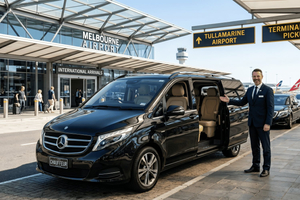
Best For: Budget-conscious locals or experienced travelers comfortable with public transport navigation.
5. Private Shuttles/Hotel Transfers
- Description: Pre-arranged door-to-door services, often booked through hotels or companies like Starbus or Con-X-ion. Takes ~25-40 minutes.
- Cost: AUD $80-$150+ (varies by provider, group size, and vehicle type).
Pros:
Door-to-Door: Direct to your hotel, often with personalized service (e.g., driver greets you at arrivals).
Comfort: Often uses vans or luxury vehicles, ideal for groups or those wanting a premium experience.
Pre-Booked: No need to arrange on arrival; great for peace of mind.
Group-Friendly: Cost-effective for families or groups (e.g., 6+ people sharing a van).
Comfort: Often uses vans or luxury vehicles, ideal for groups or those wanting a premium experience.
Pre-Booked: No need to arrange on arrival; great for peace of mind.
Group-Friendly: Cost-effective for families or groups (e.g., 6+ people sharing a van).
Cons:
Expensive: Highest cost, especially for solo travelers or small groups.
Booking Required: Must be arranged in advance, less flexible for spontaneous travel.
Variable Availability: Not all hotels offer transfers, and private services may have limited late-night options.
Delays: Shared shuttles may stop at multiple hotels, extending travel time.
Booking Required: Must be arranged in advance, less flexible for spontaneous travel.
Variable Availability: Not all hotels offer transfers, and private services may have limited late-night options.
Delays: Shared shuttles may stop at multiple hotels, extending travel time.
Best For: Groups, luxury travelers, or those with pre-arranged hotel packages.
Recommendations by Traveler Type
- Tourists: SkyBus for simplicity, affordability, and tourist-friendly features; taxis/rideshares for direct hotel drop-off if budget allows.
- Business Travelers: Taxis or rideshares for speed and door-to-door convenience; private shuttles if expense accounts cover luxury.
- Budget Travelers: Public transport (Route 901 + train) if arriving during train hours; SkyBus otherwise.
- Groups: Taxis, rideshares, or private shuttles to split costs; SkyBus for smaller groups.
- Late-Night Arrivals: SkyBus, taxis, or rideshares, as public transport is limited after midnight.
Tips
- Check Real-Time Updates: Use the SkyBus app, PTV app, or rideshare apps for schedules and pricing.
- Luggage Needs: SkyBus, taxis, or private shuttles are best for heavy or multiple bags.
- CBD Navigation: From Southern Cross (SkyBus or train drop-off), use free trams in the CBD zone to reach your hotel (no myki needed).
- Late-Night Caution: For arrivals after 1 AM, SkyBus or taxis/rideshares are most reliable due to public transport gaps.
For the latest schedules or fares, check the SkyBus website, PTV journey planner, or rideshare apps. If you have specific needs (e.g., accessibility, group size, or hotel location), let me know for tailored advice!
Updated October 2025 · By Kay Cornell